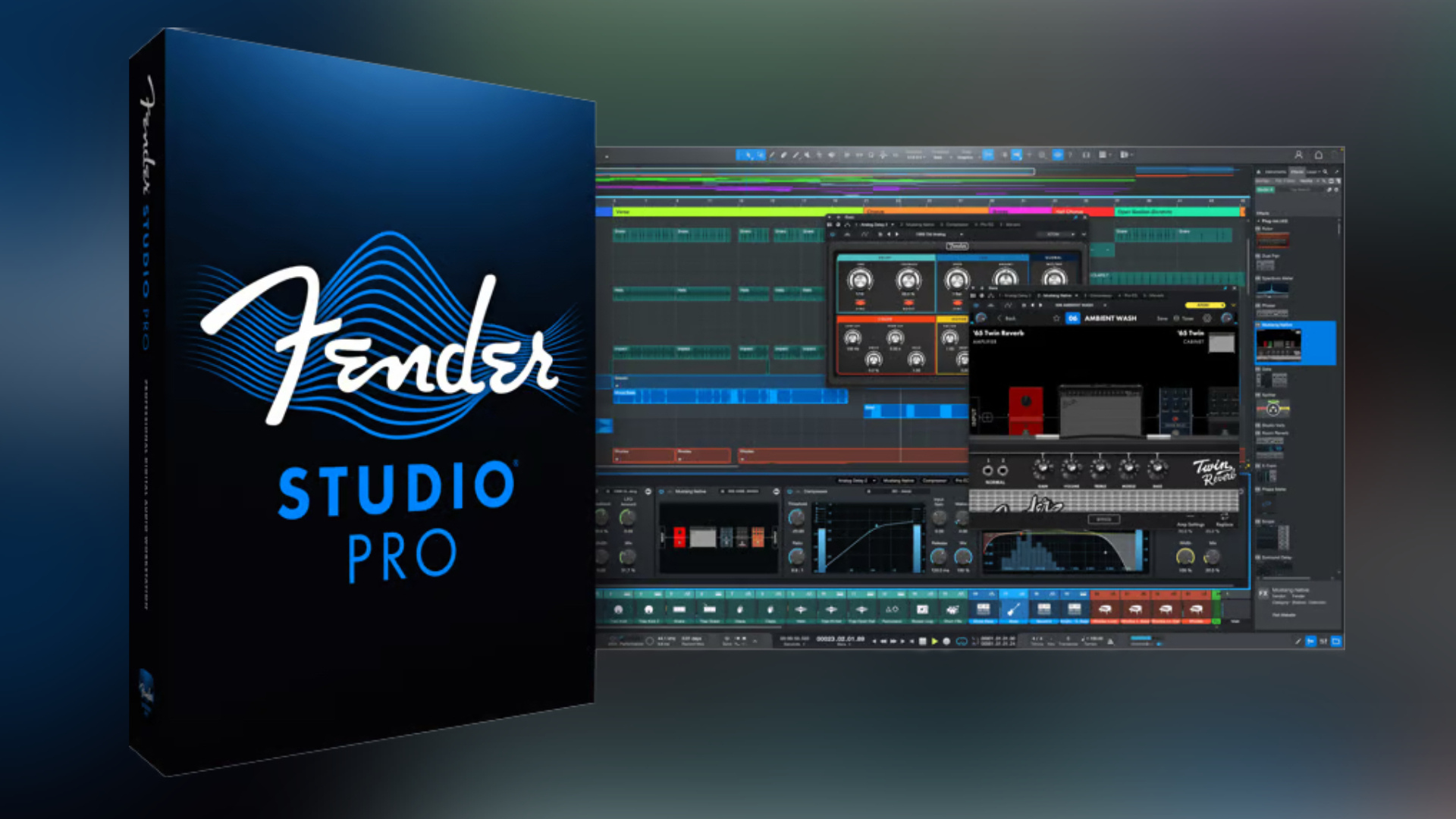
Look, I get it. When you first hear that PreSonus Studio One is now Fender Studio Pro, your gut reaction might be to panic a little. I’ve seen the YouTube comments. I’ve watched creators practically mourning the loss of the PreSonus brand like it’s the end of an era. Some are drawing comparisons to the Gibson-Cakewalk disaster, predicting doom and gloom for what many of us consider one of the most innovative DAWs on the market.
But here’s the thing: I’m not worried. Not even a little bit. And after you hear me out, I think you’ll understand why this rebrand might actually be the best thing that could happen to Studio One users.
Let’s Address the Elephant in the Room
Yes, Fender is primarily known for guitars. The Stratocaster. The Telecaster. That iconic headstock shape every guitarist recognizes. So when a guitar company slaps its name on professional audio production software, I understand the confusion.
But let’s pump the brakes on the panic. Fender acquired PreSonus back in 2021, and guess what? Studio One versions 6 and 7 both shipped under Fender’s ownership. The Hamburg development team that made Studio One great is still the same team working on Fender Studio Pro 8. This isn’t a hostile takeover by corporate suits who don’t understand audio production.
The PreSonus brand isn’t even dead. It’s still alive and well for live sound products, the Eris monitor line, StudioLive mixers, and Air XD loudspeakers. What we’re seeing is strategic brand alignment, not a corporate execution.
What Actually Changed (Spoiler: It’s Pretty Good)
Fender Studio Pro 8 isn’t just Studio One 7 with a fresh coat of paint. There’s legitimate innovation happening here.
The interface got some much-needed love with new Arrangement Overview and Channel Overview features that make navigation smoother. But the real showstopper? Single-click plugin opening. I know that sounds minor, but if you’ve ever been in the creative zone and had to deal with clunky workflow interruptions, you know these small improvements add up fast.
Then there’s the AI-powered features. Extract Drums, Extract Notes, and Extract Chords are legitimately useful tools for producers working with samples or trying to deconstruct existing tracks. This isn’t gimmicky AI nonsense. These are practical applications that solve real workflow problems.
The Fender plugins are massive too. The Mustang Guitar and Rumble Bass native plugins bring 57 amp models and over 125 effects directly into the DAW. For anyone doing guitar or bass production, having that level of authentic Fender tone modeling built right in is huge. The Studio Verb reverb plugin rounds out the processing options nicely.
Updates to Impact and SampleOne instruments mean better sound design capabilities, and the integration with Fender’s broader ecosystem shows they’re thinking about how all these tools work together, not in isolation.
The Motion Controllers Deserve Your Attention
Here’s where things get really interesting. Fender isn’t just rebranding the old PreSonus Atom and Atom SQ controllers. They’re replacing them with something genuinely better: the Motion 16 and Motion 32.
The Motion 16 runs $269.99 and features 16 RGB polyphonic aftertouch FATAR pads in a 4×4 grid. The Motion 32, priced at $349.99, bumps that up to 32 pads in a keyboard-style layout. Both units come loaded with 9 illuminated touch encoders, touch pitch and mod wheels on the Motion 32, an expressive touch strip for modulation and effects control, and a color display for instant visual feedback.
The deep integration with Fender Studio Pro is where these controllers really shine, with exclusive features like the “add” button that instantly drops in instruments, tracks, or effects without breaking your creative flow.
But here’s what I love most: these aren’t locked into Fender’s ecosystem. They work as generic MIDI controllers with any DAW, and they can integrate with hardware synths and drum machines for hybrid setups. That’s forward-thinking design, not corporate lock-in. The only downside? They won’t be available until spring 2026.
Why the Gibson-Cakewalk Comparison Doesn’t Hold Water
A lot of the fear stems from what happened when Gibson acquired Cakewalk in 2013 and then shut it down in 2017. I get why people are drawing that parallel.
But the situations are completely different. Gibson was financially unstable and filed for bankruptcy in 2018, just a year after killing Cakwalk. They were cutting costs and shedding assets they didn’t understand. Fender, on the other hand, has been strategically building out a pro audio division. The PreSonus acquisition was part of a larger plan, not a random impulse buy.
More importantly, Fender has already proven they can steward this product responsibly. Two major versions released under their ownership, continued development from the original team, and now a significant feature update with version 8. The track record speaks for itself.
My Final Thoughts
At $199.99 for a perpetual license or $19.99 monthly for a subscription, Fender Studio Pro 8 sits in a competitive price range. The $99.99 upgrade path for Studio One 7 users is reasonable too, especially considering the new features and plugins included.
Change is uncomfortable, especially when it involves tools we rely on every day for our creative work. But uncomfortable doesn’t mean bad. Fender Studio Pro 8 represents evolution, not destruction. The rebrand gives Fender the opportunity to market this DAW to a broader audience, potentially bringing in new users and resources that can fund future development.
The development team is intact. The feature set is expanding. The hardware is improving. And most importantly, the core philosophy that made Studio One great, that focus on creative workflow and intuitive design, is still front and center.
So no, I’m not upset about this rebrand. I’m genuinely curious to see where Fender takes this. If Studio Pro 8 is any indication, the future looks pretty bright. And those Motion controllers? I’ll be first in line when they drop in spring 2026.